
You can't change leadership behaviour at the level of behaviour.
The significant challenges of leadership aren’t superficial and rarely, just a matter of acquiring another framework or skill.
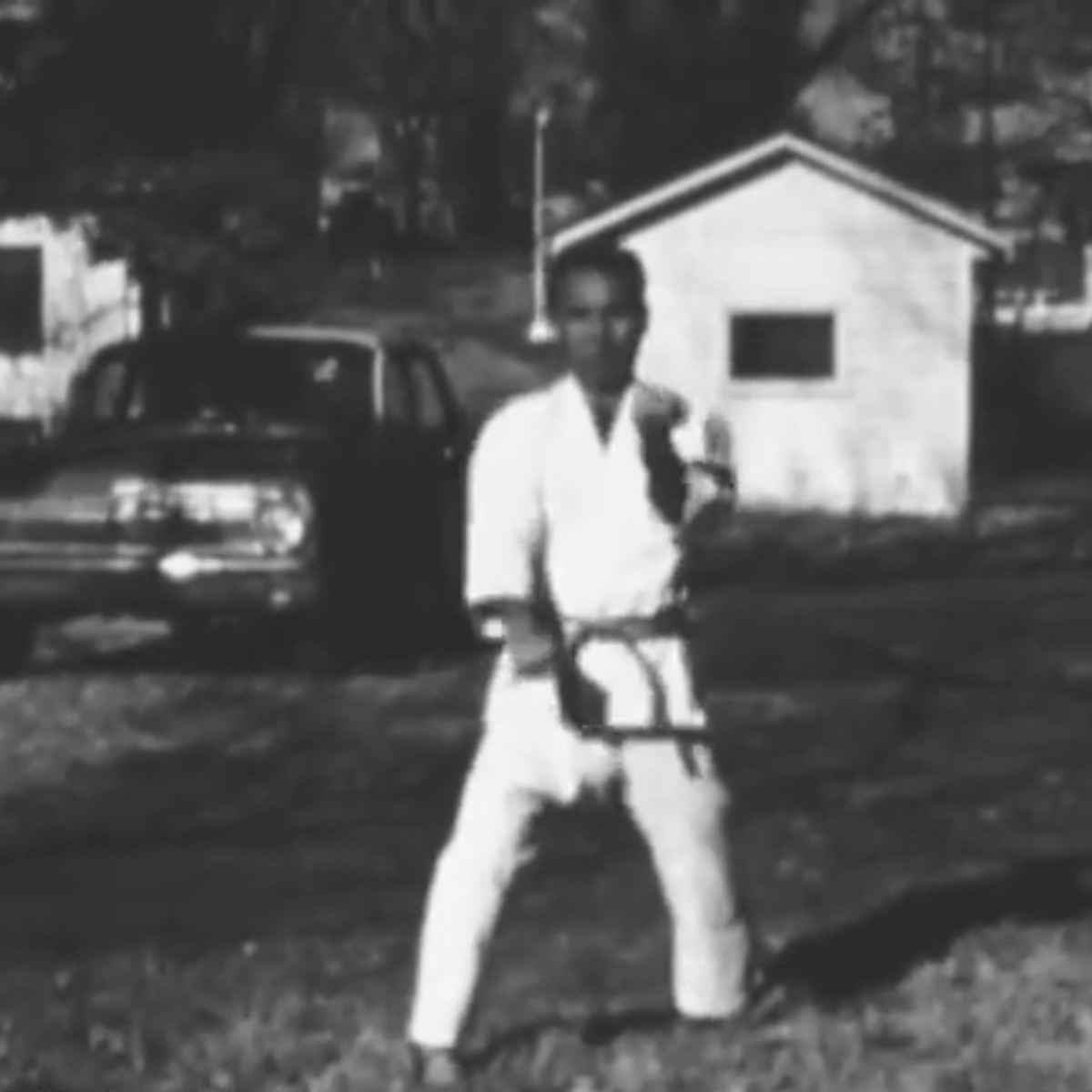
For decades I studied and taught Ryukyu Kempo, a traditional Okinawan martial art built on 𝙗𝙪𝙣𝙠𝙖𝙞: the practice of decoding the hidden combative meaning inside kata. The art's secrets were passed down through the years from its founder, Grandmaster Seiyu Oyata, featured here.
Kata is just like shadow-boxing. A pattern of movements performed solo as a means of simulation. I have a fascination for deciphering and researching what a move is actually doing beneath its surface form.
It's the same discipline I bring to leadership: nothing is what it looks like on the surface and the real work is decoding what's actually driving the pattern.
My work today is grounded in that truth. I support senior leaders in navigating the internal landscape behind their decisions, communication and leadership presence.
Let’s look at delegation.
The answer is simple right? Just delegate. So why doesn’t it happen (consistently)?
A deeper look might reveal the leader’s underlying perspective on their team’s capacity or competency. Maybe an issue of mistrust.
If they trust, they may have to let go of control. And how is control serving them so far? Maybe a thought that control ensures perfection. How do they feel about themselves when results are less than perfect?
The leader is approaching the source (the bunkai). We’re starting to see, in this case, the leader has created a system that ensures they don’t have to experience a certain feeling.
You can’t change a behaviour when there’s an entrenched system holding it in place.
What underlying systems are keeping you, your team, or your organisation in a holding pattern?